


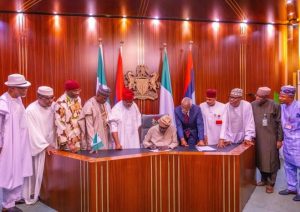
Abuja, Nigeria — Reactions have continued to trail the signing of the 2026 Electoral Act into law by President Bola Ahmed Tinubu on Wednesday, with stakeholders expressing both commendation and criticism over the new legislation.
The President assented to the bill as part of efforts to strengthen Nigeria’s democratic institutions and improve the credibility of elections across the country. The law is expected to introduce reforms aimed at enhancing transparency, deepening voter participation, and providing clearer operational guidelines for electoral stakeholders.
Supporters of the development have described the signing as a bold step toward consolidating democracy and addressing gaps identified in previous electoral processes. They noted that the Act would help build public trust in elections, encourage accountability among political actors, and modernize election administration.
However, some political groups, civil society organizations, and analysts have raised concerns over certain provisions of the law, calling for further review and robust implementation to ensure that the reforms translate into tangible improvements during future elections.
In his remarks, the President reaffirmed his administration’s commitment to credible and peaceful elections, emphasizing that the sanctity of the ballot remains a cornerstone of democratic governance. He urged political parties, candidates, and citizens to respect the provisions of the new law and work collectively toward strengthening Nigeria’s electoral system.
The 2026 Electoral Act is expected to guide upcoming electoral activities and shape the conduct of elections in the country, as stakeholders continue to examine its implications for Nigeria’s democratic future.